

Making every drop count: watering pots and gardens during hot weather
With high temperatures across the UK and hosepipe bans in place in some areas, gardeners need to be smarter than ever about watering.
The good news is that a few simple changes can help keep plants healthy while reducing water use.
Morning & evening
Water deeply and less often rather than giving plants frequent light sprinkles. A thorough soak encourages roots to grow deeper, making plants more resilient during dry spells.
The best time to water is early morning or late evening when temperatures are cooler and less water is lost to evaporation.
Container plants need extra attention because compost dries out much faster than garden soil. Check pots daily and water slowly until it runs from the drainage holes.
Microclimate
Grouping pots together can create a more humid microclimate and reduce moisture loss.
In garden beds, apply a layer of mulch such as compost, bark chips or leaf mould. Mulch helps lock moisture into the soil, suppresses weeds and keeps roots cooler.
Focus watering on the base of plants rather than wetting leaves, which is less efficient and can encourage disease.
Grey water
If your area is affected by a hosepipe ban, use watering cans filled from water butts, if they contain water still, recycled household water, often called grey water, or saved cooking water once cooled and free from salt. Prioritise newly planted shrubs, vegetables and containers, as established trees and shrubs are often more drought tolerant.
Planning for 2027
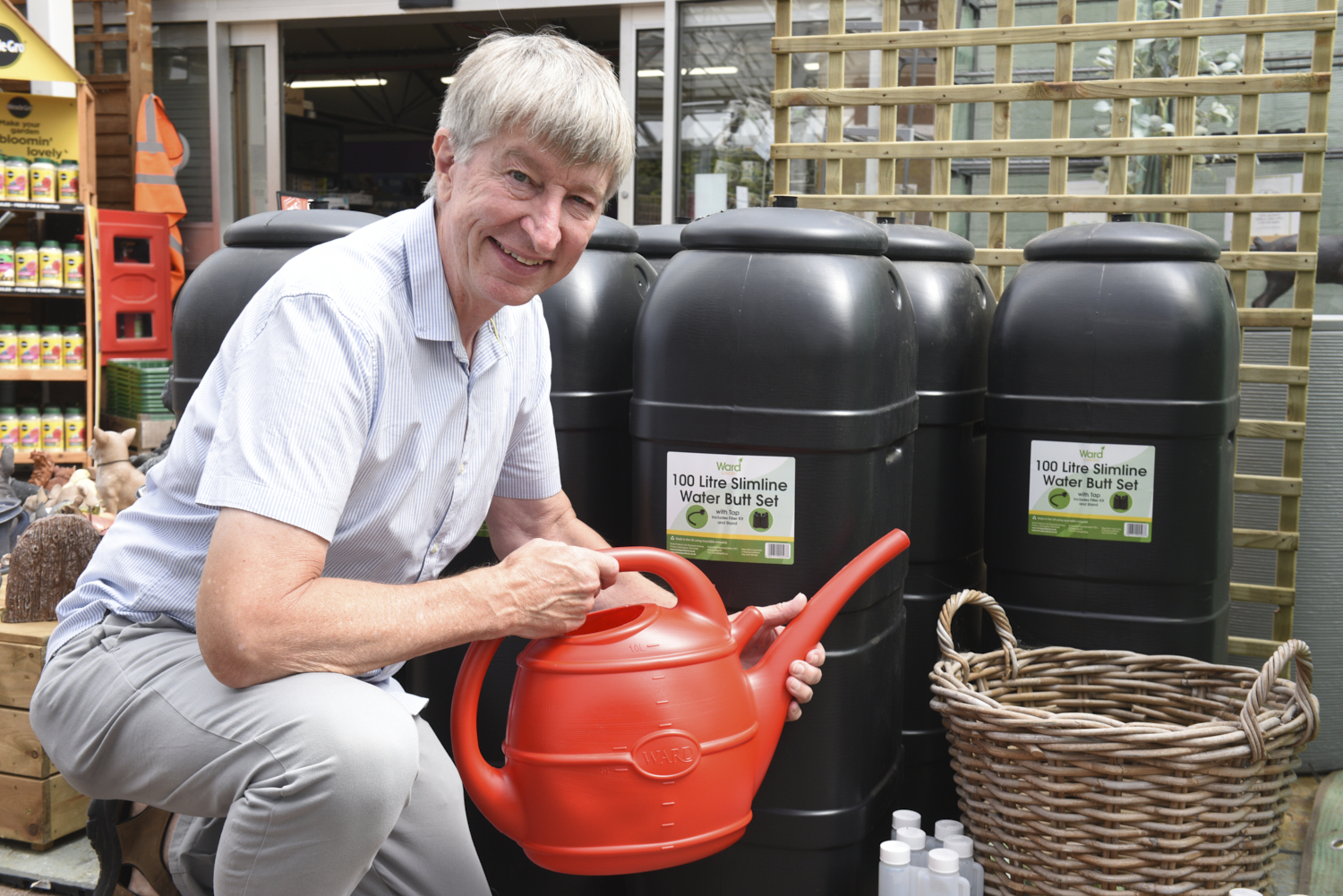
It’s worth also looking to add plants to your garden that are drought tolerant later this year in readiness for hotter summers to come and also to plan your tubs and containers for next year now by deciding on the plants best suited to the weather and making a list of what to buy in 2027. You should also look at adding water butts where possible to save rainwater next year for when you need it and use water retaining granules in your pots and containers too.
Water wisely
Finally, don’t panic if lawns turn brown. Grass usually recovers when rain returns. Instead, concentrate your efforts on plants that genuinely need support through the heat.
By watering wisely and conserving every drop, you can help your garden thrive through the summer while respecting local water restrictions.
More free hints & tips
Please visit or get in touch with your nearest GCA member garden centre if you need further free expert advice.
Click here to find one.