

Look after your garden wildlife this winter
At this time of year, the wildlife in our gardens will need a little bit of extra help to keep it going during the colder days and nights.
Here are our handy hints to help keep your friendly mammals, birds and insects well-fed, safe and cosy:
- To help birds build up their energy reserves for long migrations or winter survival leave out high energy foods such as fat balls.
- Bird boxes should be cleaned out and old nesting material, which can harbour parasites, destroyed or thrown out. Wash them out with boiling water and repair them if necessary. Do this job well before late winter, when some birds will already be prospecting for news sites.
- Putting out dry or tinned meat-based pet food as well as a bowl of water will help to encourage hedgehogs to your garden. To protect the food from cats and foxes, use a cover with a small entrance.
- Birds and other small animals, including badgers, like plants that produce berries such as berberis, honeysuckle and pyracantha.
- Late autumn flowers such as ligularia and sedum will help butterflies and bees build up their winter reserves.
- Hedgehogs tend to hibernate in compost heaps, so take a little care as you fork out the compost or turn it. When you’re building a new heap, make a deluxe hedgehog home at the bottom: use an old washing-up bowl turned upside down with a hole cut in the side and, leading from this, a piece of old drainpipe as an entrance tunnel or buy a ready constructed hedgehog hide from your nearest GCA member garden centre.
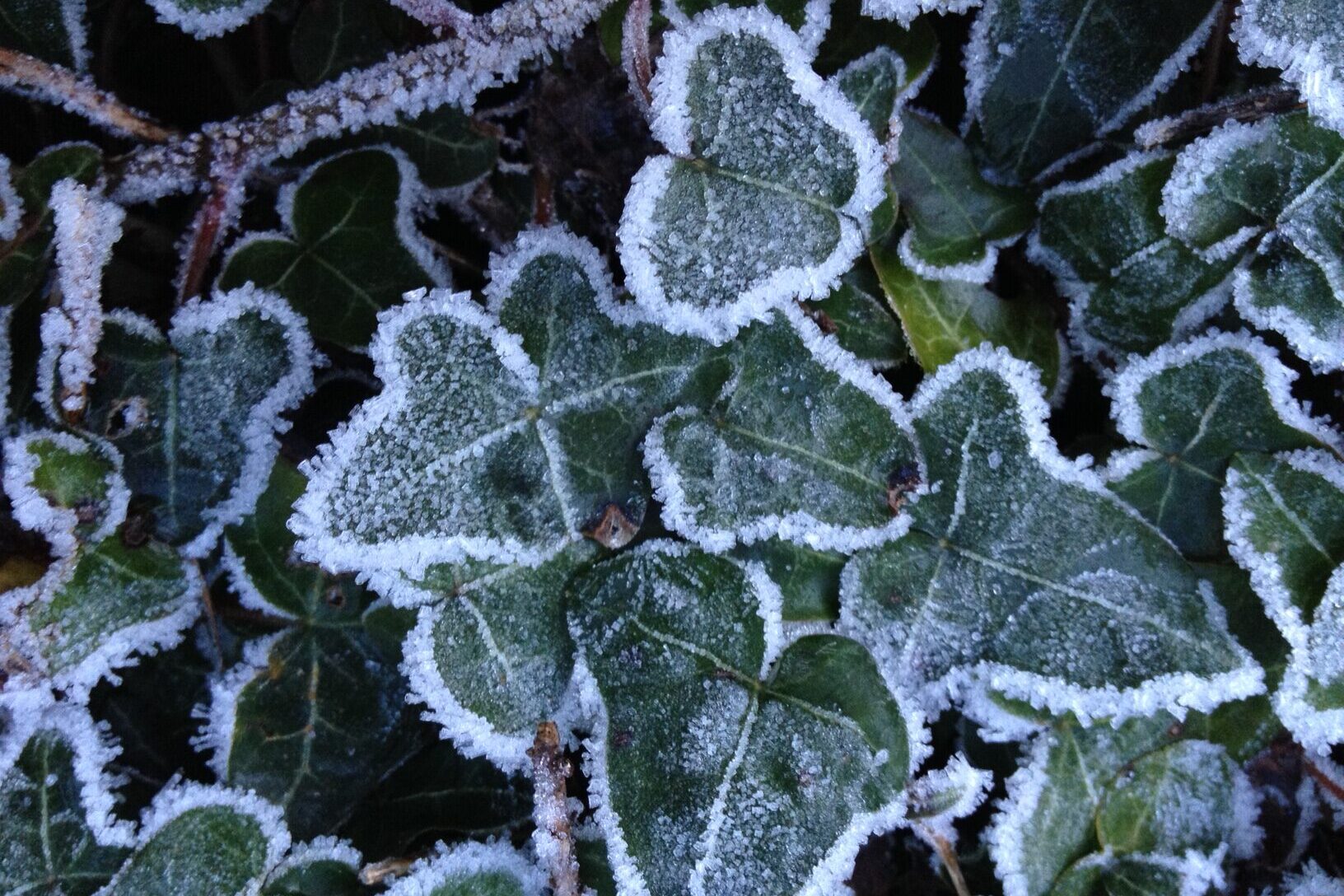
- Honeybees also rely on ivy during the winter months. Up to 89% of pollen is collected from the evergreen’s flowers, so, wherever possible, allow mature ivy to flourish in your garden.
For more helpful advice
If you have any questions, our member garden centres’ experts are more than happy to help, please visit or get in touch with your nearest GCA member garden centre.
Click here to find it.