

How to make valuable leaf mould
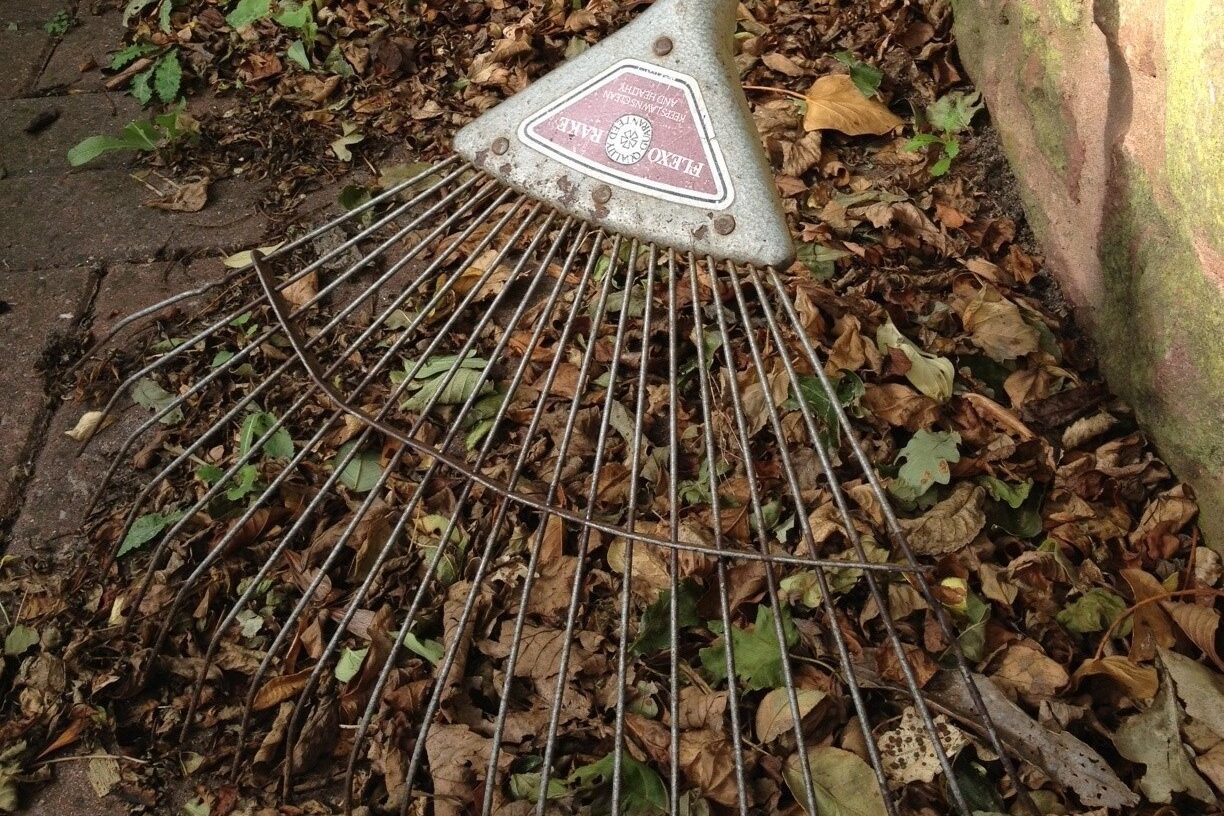
November brings a spectacular display of autumn colour, but once the leaves have fallen, many gardeners see them as a chore.
In fact, fallen leaves are one of the most valuable free resources your garden can offer. With a little patience, they can be transformed into nutrient-rich leaf mould, a fantastic soil conditioner that improves garden health.
Improve soil structure
Leaf mould is created when leaves break down naturally over time. Unlike compost, which is produced from a mix of garden and kitchen waste, leaf mould is made primarily from leaves and is prized for its ability to improve soil structure, retain moisture and support healthy plant growth.
To get started, gather fallen leaves from lawns, paths, and borders. Avoid collecting leaves that are heavily diseased, as these can spread problems around the garden. Shred larger leaves with a mower, if possible, as this helps them decompose more quickly.
Easiest method
The easiest method is to place the leaves in sturdy bin bags, dampen them slightly, make a few air holes and tie the tops loosely.
Alternatively, create a simple leaf mould cage using wire mesh in a quiet corner of the garden. The leaves can then be left to break down naturally.
Time to mature
Leaf mould takes time to mature. After around one year, it develops into a coarse mulch that can be spread around plants to suppress weeds and conserve moisture.
After two years, it becomes a dark, crumbly material ideal for enriching borders, potting mixes, and vegetable beds.
Decompose rates
Different leaves decompose at different rates. Oak, beech and hornbeam leaves make excellent leaf mould, while thicker leaves, such as sycamore and horse chestnut, take longer to rot down.
By recycling autumn leaves into leaf mould, gardeners can reduce waste, improve their soil naturally, and create a healthier, more sustainable garden for seasons to come.
Like some more free advice?
If you need any more expert help, please find your nearest GCA garden centre here.