

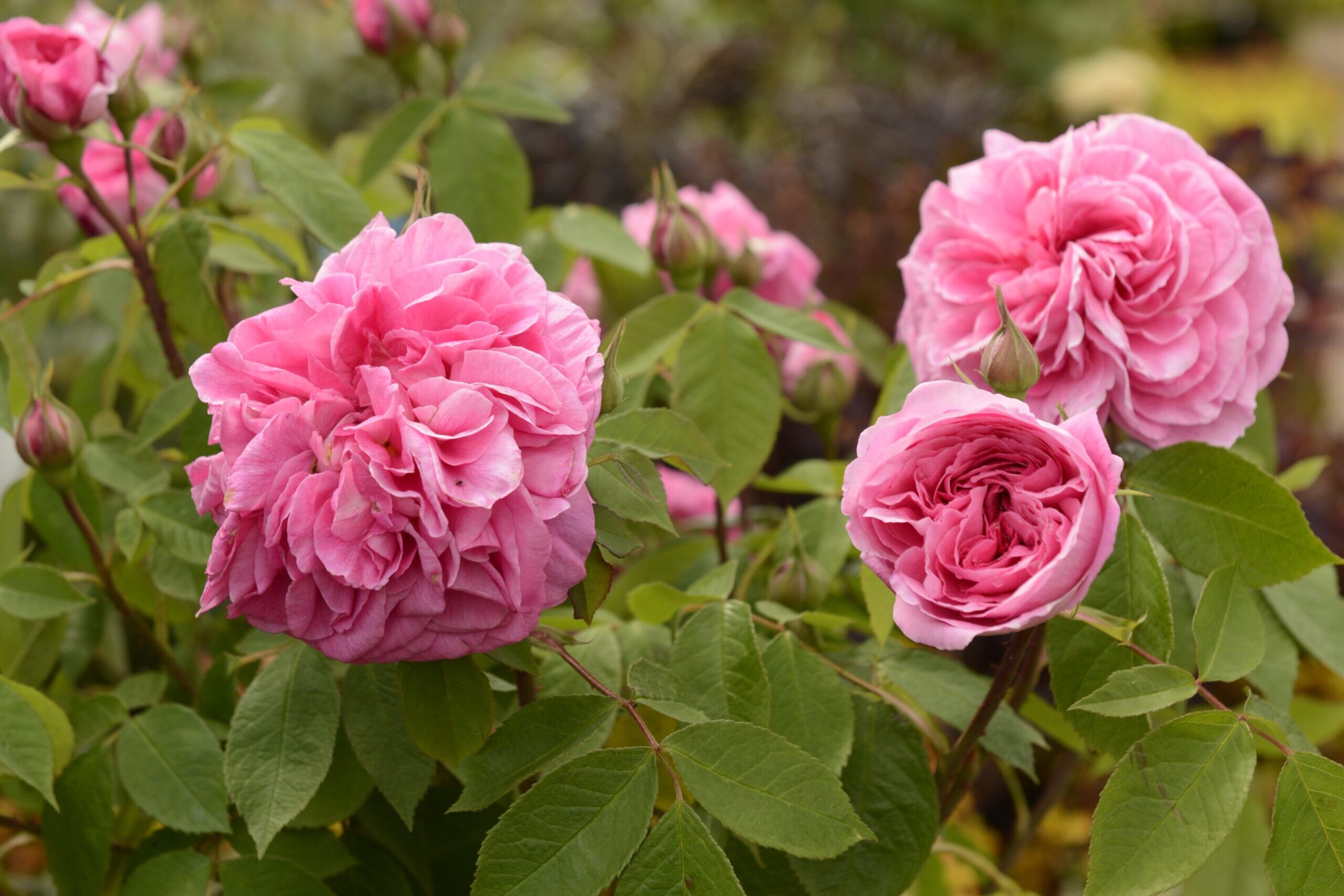
Roses and how to take care of them
The rose was given the title ‘The Queen of Flowers’ as long ago as 600BC.
No other flower is more popular in this country than the rose and with its multiple uses can be recommended for the adornment of gardens both large and small.
Adaptability
Few shrubby genera can surpass roses for adaptability to a variety of situations and soils. It is often said that they have a fondness for clay soils but will thrive in most positions.
While moisture retention in the soil can go a long way to ensure maximum healthy growth, roses, with little more than average attention, will still thrive and give great satisfaction on those of a sandy or gravely nature.
Common attacks
Susceptibility to attacks of common insects such as aphids and their own particular fungal enemies like mildew and black spot is nothing out of the ordinary among cultivated plants and one has to be prepared where necessary to cope with their afflictions. Spraying with Seaweed solutions often gives very good resistance and adding compost to the soil is also very helpful in enabling the plants to resist attacks.
Pruning advice
Annual pruning of garden roses is highly important if they are to do justice to themselves and have a long happy life.
In recent years there has been a tendency to recommend pruning at any time during the dormant season but, personally, I still prefer doing it in March, for there is then less risk of premature new growth being subject to damage by frost.
How to prune
The traditional method of pruning roses is regarded by many gardeners as something of an art, but using a hedge trimmer will also give satisfactory results.
This gets the job done very quickly, and as the rose is tough, there are no detrimental effects. Even though mechanical pruning removes a degree of healthy growth, the plants ability to produce strong, healthy shoots and flowers is not reduced.
A simple rule when pruning any bush rose is to cut back the plants by one third, or by half for shrub roses. This will leave the plants with strong growing main shoots. Climbers need a light tidy up which would also suit most Ramblers too but ideally they need some old growths cutting out completely.
Fertiliser dressing
After pruning, clear up the rose debris and apply a good quality rose fertiliser dressing. Fork the dressing lightly into the soil surface.
The most important task to do next is to apply a bark mulch around the plants. This will help to control weeds but most of all will reduce stress to the bushes during the summer months.
Using mulch is the key to holding moisture in the soil, which is essential for helping plants resist disease and maintain their quality in terms of growth and flower production.