

Sense and sensibility
Spending time in the garden has proven physical health benefits and can help reduce stress too.
Gardens can be visually stimulating thanks to all the different colours but there are lots of plants you can introduce to help your garden reach all of the five senses.
Sensory gardens have a great therapeutic value and can be places of relaxation, reflection and meditation.
Plants for touch
A great way to stimulate one of our main senses is to incorporate lots of different textures into the garden. The Lamb’s Ears ‘Stachys byzantina’ is a good starting point as it has downy silver foliage, which feels soft and fluffy to the touch.
The beautiful Hydrangea villosa is a medium-sized shrub with huge white flowers but also has soft furry leaves.
Salvia argentea forms dramatic large, woolly-white clumps of leaves from which the spikes of white hooded flowers appear in the summer.
Choose Moss roses for the incredible moss like covering of the flower buds before they open.
The peeling brown bark of the Strawberry tree ‘Arbutus unedo’ is good fun to touch too. The plant produces flowers and fruit at the same time in late summer.
Plants for scent
The best thing about being out in the garden is the delicious scent that comes from many plants.
Rosa ‘Albertine’, which is a tough, climbing plant with pinky, orange flowers, produces a sweet, perfumed scent.
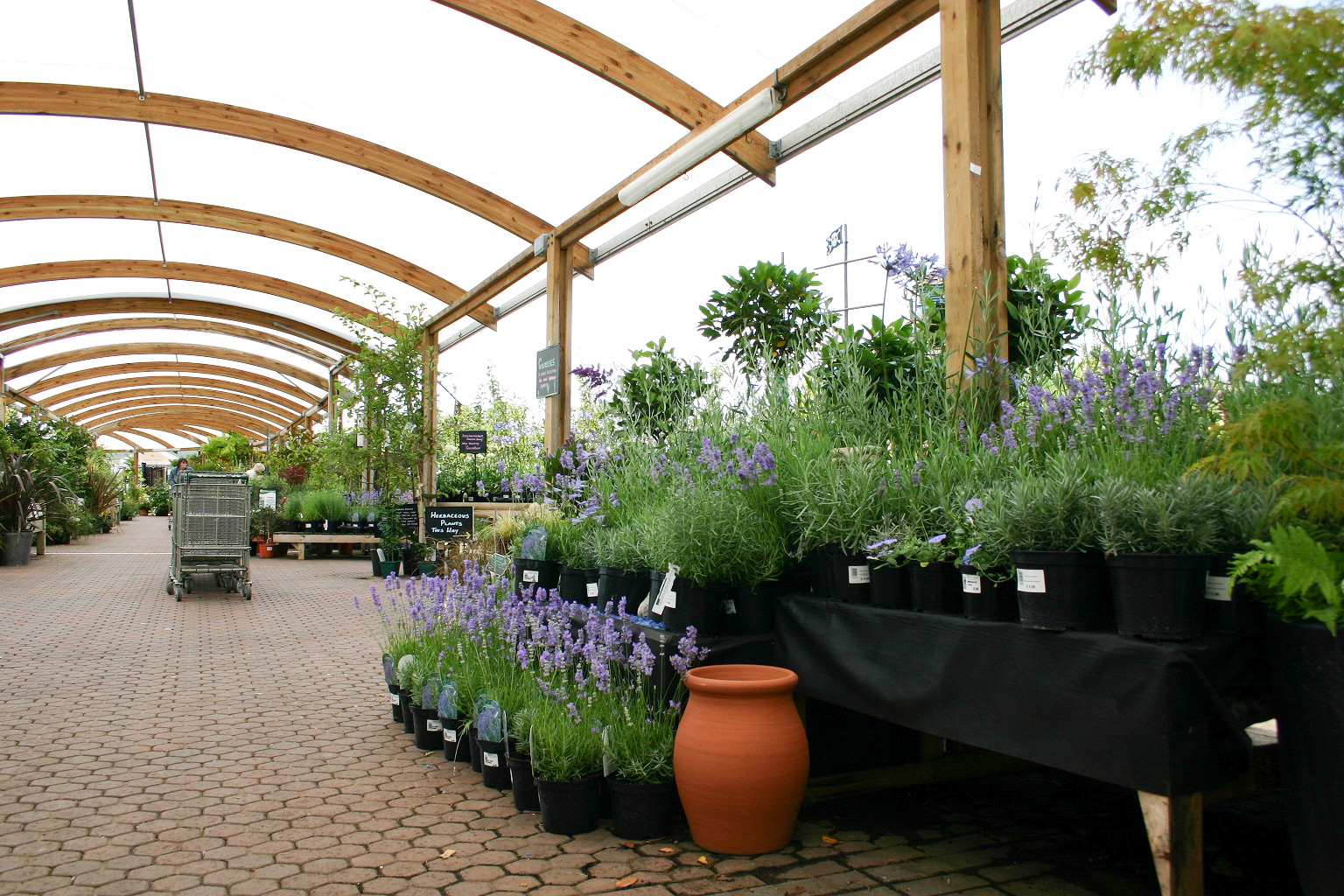
Lavender is the number one plant for incorporating scent into the garden. Its scented flowers are purple in colour so stimulate two senses.
Even in summer annuals you can find fantastic fragrance, such as Alyssum and some of the Nemesia varieties.
Check our next blog here for more information on incorporating sensory stimulators in your garden.