

Plants to stimulate the senses
We’re talking about stimulating the senses once again today, but this time we’re concentrating on incorporating plants that are great for sight, sound and taste.
If you missed our previous blog on this, please click here.
Plants for sight
The sight of a colourful garden is something to behold and it is relatively easy to incorporate bright, bold colours through the use of summer flowering annual plants but consider these permanent shrubs as well.
The Winged bark ‘Euonymus alatus’ is an unusual, tough plant with brilliant crimson-pink autumn colour and unusual purple and orange fruits. The Viburnum tinus is another plant perfect for adding colour to your plot as it produces pretty, white flowers all through winter with contrasting shiny, dark green leathery leaves.
Evergreens are a sure-fire way to make sure there’s colour in your garden all year round. The
Silver queen ‘Euonymus’ is an evergreen with striking green and white foliage.
Plants for sound
It’s not often you get sound in the garden other than the tweeting of the birds or the buzzing of insects. But introducing sound through plants is a great way to stimulate the senses and keep your garden interesting.
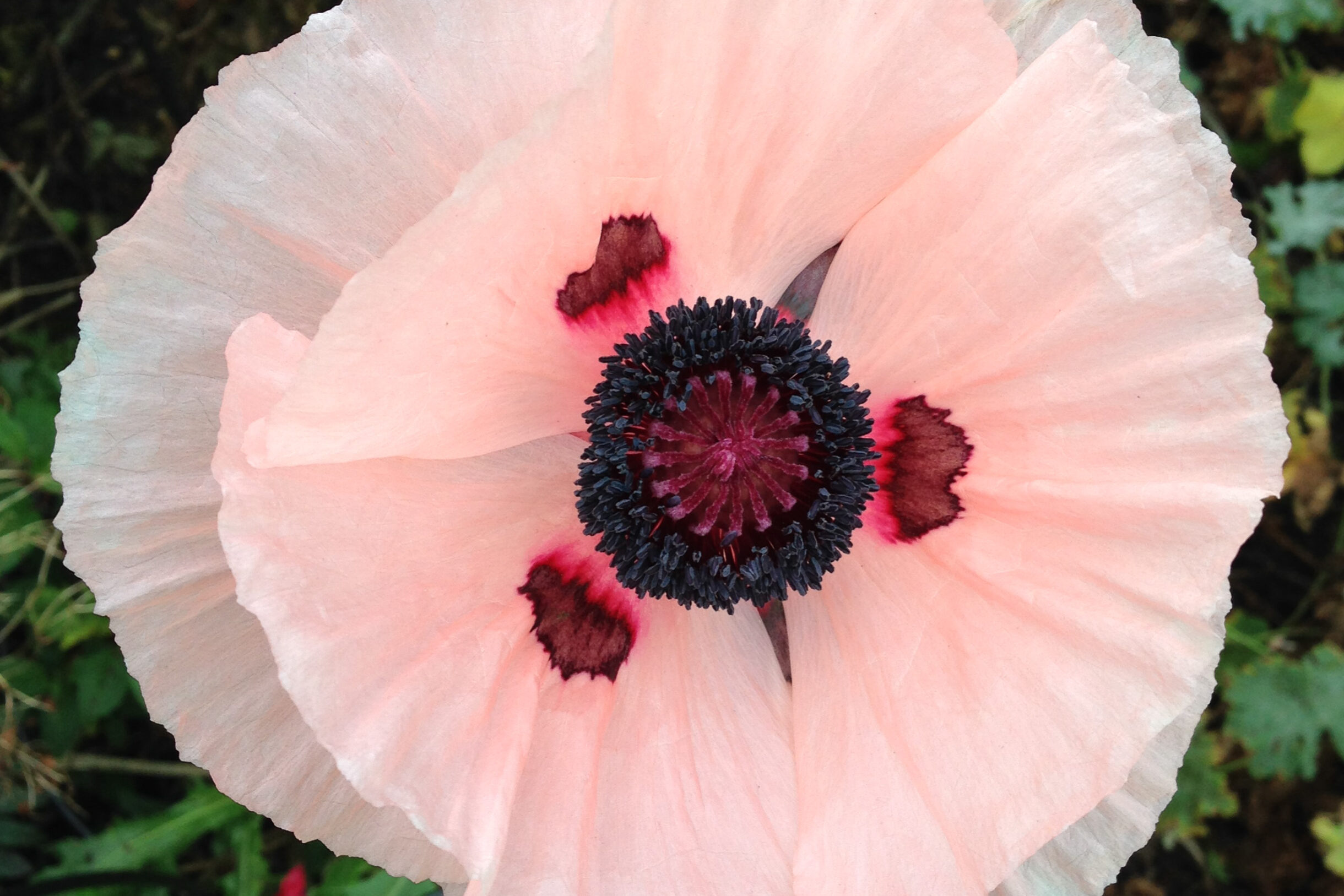
You can have a go at planting Bamboo ‘Sasa veitchii’ as its stems rattle in the wind. Why not also try the Poppy ‘Papaver orientale’ as its empty seed cases make great noises in the breeze. Or try Populus tremula, the Aspen, whose leaves tremble in the wind.
Plants for taste
We’re not talking growing vegetables in allotments or plots here, we’re talking about growing plants that produce delicious fruit and herbs.
In a mild climate, the grape plant ‘Vitis coignetiae’ is great. It also produces superb autumn colour, stimulating more senses.
Chives ‘Allium’ are relatively easy to grow and can be picked for salads and buttery new potatoes. While the Quince ‘Chaenomeles speciosa’ produces pear shaped fruits that can be used for jam making and pink flowers which bloom from winter to spring.