

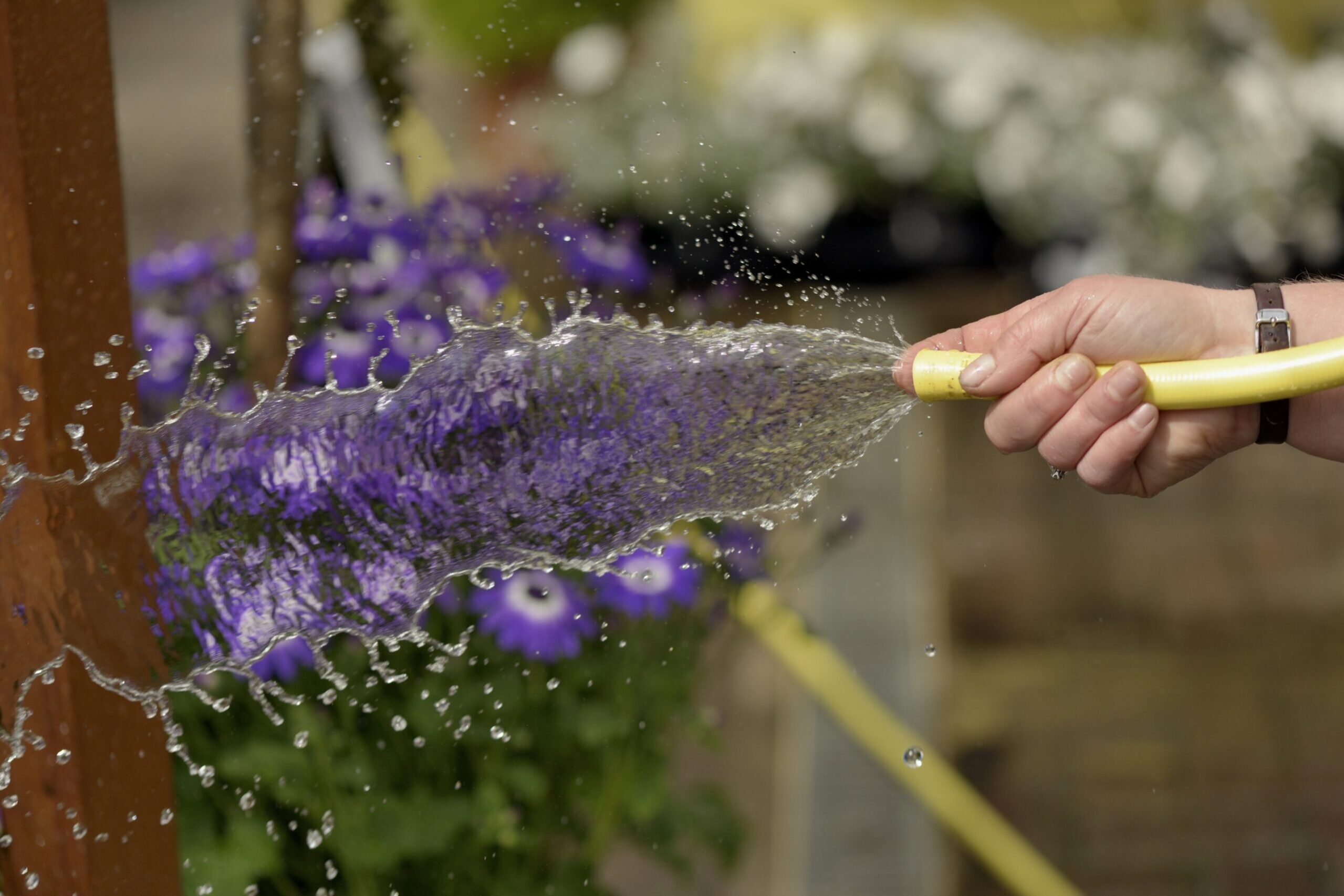
Sustainable gardening is a type of cultivation that emphasises techniques for preserving and enhancing natural ecosystems, conserving resources, and fostering biodiversity. Adopting sustainable gardening has several benefits. By feeding the soil and fostering beneficial insects and birds, it not only aids in lowering our carbon footprint and water conservation but also encourages a healthier garden. Sustainable gardening may eliminate the need for substantial pesticides and fertilisers while saving money on water costs. We can improve the environment and leave a better legacy for future generations by gardening responsibly.
- Go Organic
The first tip on our list of eco-friendly gardening practices is to ‘Go Organic’. This means avoiding the use of synthetic fertilisers and pesticides that can be harmful to the environment and focusing on organic methods instead.
Synthetic fertilisers, while effective in the short term, can damage your soil’s health over time. They usually provide a quick burst of nutrients but do not contribute to the long-term fertility of the soil. Overuse of these fertilisers can lead to nutrient runoff into nearby water bodies, causing harm to aquatic ecosystems.
- Conserve Water
A key component of sustainable gardening is water conservation in the garden. In aside from preserving a precious resource, the goal is to build a garden ecology that can survive with less resources. Conserving water in the garden is essential as it not only saves a vital resource and reduces our environmental impact, but also promotes healthier plant growth and can significantly lower our utility bills.
Water Saving Tips:
- Water at the Right Time: The best time to water your plants is early in the morning or late in the evening when temperatures are cooler. This reduces evaporation and ensures that your plants get the most benefit from the water.
- Use a Rain Barrel: Collecting rainwater is an excellent way to conserve water. You can use this water for your plants, reducing your reliance on tap water.
- Choose Drought-Resistant Plants: Some plants require less water than others. Choosing drought-resistant plants or native plants adapted to your local climate can significantly reduce your water needs.
- Mulch Your Garden: Mulch helps retain moisture in the soil by reducing evaporation. It also suppresses weeds that compete with your plants for water.
- Water Deeply, But Less Often: Instead of watering a little every day, water deeply once or twice a week. This encourages plants to develop deeper roots, making them more drought resistant.
- Install a Drip Irrigation System: Drip irrigation delivers water directly to the plant’s roots, reducing waste and ensuring each plant gets exactly what it needs.
- Reuse Greywater: If it’s safe and legal in your area, consider reusing greywater. The wastewater from baths, sinks, washing machines, and other kitchen appliances to irrigate your plants.
- Sustainable Materials
Sustainable garden materials may bring a distinctive character and appeal to your outdoor area while also being healthy for the environment. Consider furniture manufactured from FSC-certified wood or recycled plastic to ensure that the resources were obtained ethically or were reused.
There are green options for outdoor sheds that are constructed of salvaged wood or lumber supplied responsibly. Some even have green roofs, which enhance biodiversity while offering good insulation.
likewise, decking may be ecologically favourable. Due to its longevity and minimal care requirements, composite decking, which is produced from a mixture of recycled plastic and wood fibres, is a popular choice. Another environmentally beneficial option is bamboo decking since bamboo is a quickly renewable resource.
By using sustainable gardening supplies, you not only create a lovely garden area but also help the environment.
- Garden Composting
Composting is a sustainable, eco-friendly process that every gardener should consider incorporating into their routine. It’s a method that transforms organic waste materials like vegetable scraps, coffee grounds, eggshells, and yard waste into a nutrient-rich soil conditioner, often referred to as ‘black gold’ by garden enthusiasts.
There are several key reasons why composting is beneficial for your garden:
- Nutrient-Rich Soil Amendment: Compost is packed with essential nutrients that plants need to thrive. These nutrients are released into the soil slowly, providing a steady supply of nourishment to your plants.
- Improved Soil Structure: Adding compost to your garden improves the structure of the soil, enhancing its ability to retain water and nutrients. This is particularly beneficial for sandy soils which drain quickly, and clay soils which can become compacted.
- Promotes Beneficial Organisms: Compost introduces beneficial organisms like worms and fungi that help break down organic material, further enriching the soil.
- Waste Reduction: Composting at home reduces the amount of organic waste that ends up in landfills where it decomposes anaerobically (without oxygen), producing methane, a potent greenhouse gas.
- Disease Suppression: Studies have shown that compost can help suppress plant diseases and pests, reducing the need for chemical pesticides.
composting is a win-win process that benefits both your garden and the environment. By converting waste into wealth, it helps close the nutrient loop in a truly sustainable way.
- Creating Wildlife Habitats
A garden may provide a variety of wildlife with a necessary haven in addition to being aesthetically pleasing for both plants and people. You may increase the biodiversity of your area by growing a variety of plants and providing water sources. This will attract birds, insects, and other animals contributing to local biodiversity.
Providing Water Sources
Water is an essential element of any wildlife-friendly garden. A pond can support a whole host of creatures from frogs and newts to dragonflies and water beetles. If you don’t have the space for a pond, even a small water dish can help. Bird baths are another great addition. They not only provide a drinking spot but also a place for birds to bathe and preen. Position these near some cover so that birds can retreat if they feel threatened.
Planting Diverse Species
Having a wide variety of plants in your garden is key to attracting different types of wildlife. Different animals are attracted to different types of plants and the food they provide. Trees and shrubs offer shelter and nesting sites for birds, while flowers attract pollinators like bees, butterflies, and hummingbirds with their nectar.
Native plants are particularly important. They’re adapted to your local climate and soil conditions, which makes them easier to grow, but they also play a crucial role in supporting local wildlife. Many insects have evolved alongside specific native plants and rely on them for survival.