

As water becomes an increasingly scarce resource in many parts of the world, the importance of finding alternative sources cannot be overstated. Harvesting rainwater is one such method that has gained popularity in recent years. Water butts, or rain barrels, are a simple and effective way of capturing h20 that would otherwise go to waste. They can be easily installed in a garden, and the harvested water can be used for a variety of purposes.
What is a water butt?
A water butt, also known as a rain barrel, is a container used to collect and store rainwater that falls on a roof or other catchment area. They come in various sizes, shapes and materials, from plastic to wood, and can hold anywhere from a few gallons to several hundred gallons of water. They usually have a tap at the bottom to allow for easy access. While it is possible to make your own Rain barrel using a large plastic container and some DIY skills, it is generally more cost-effective to purchase a pre-made one from a hardware or gardening store. However, making your own water butt can be a fun and rewarding DIY project, and allows you to customise the size and design to fit your specific needs.
Different ways to use your harvested water.
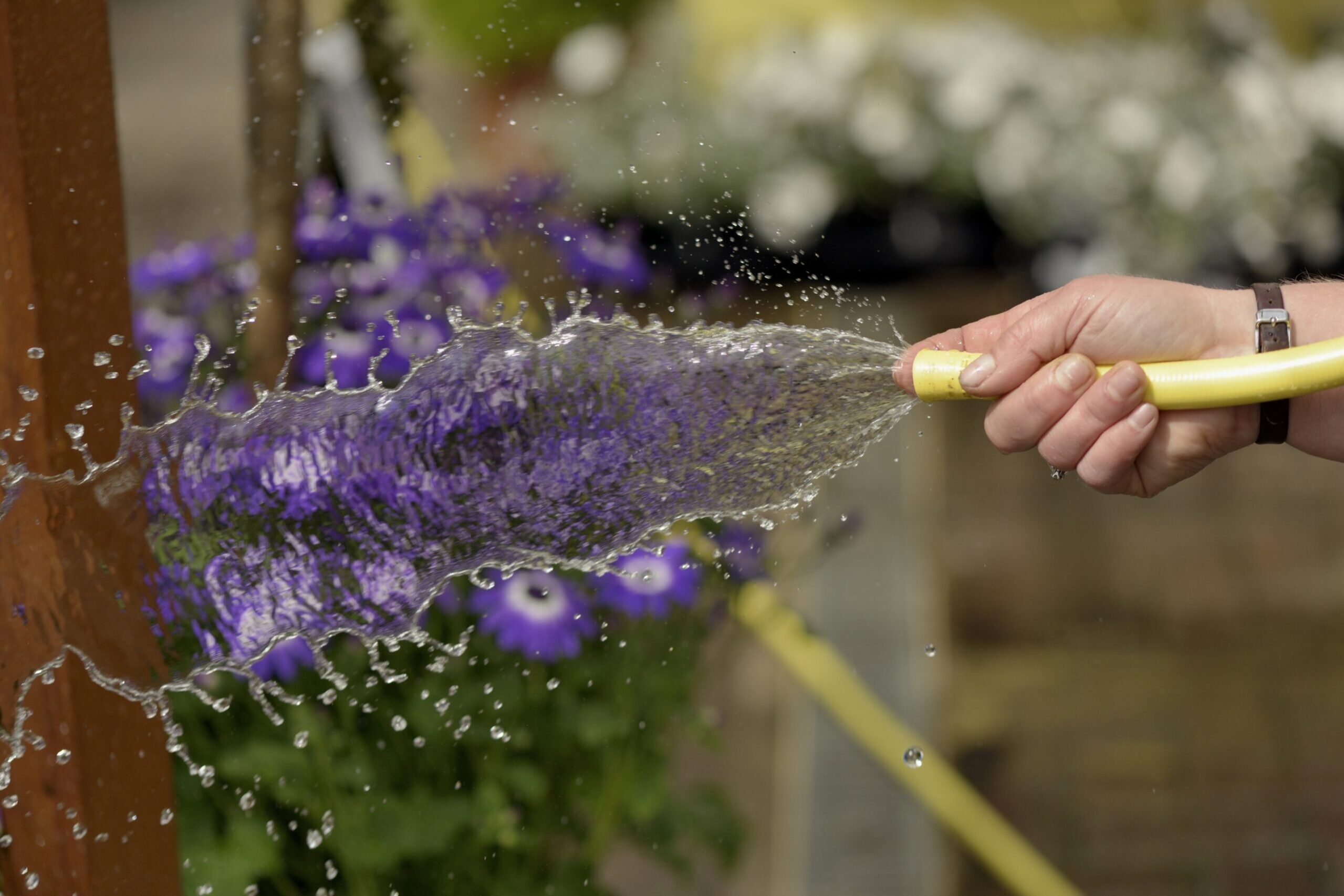
Garden use – One of the primary uses of harvested water is for watering plants and shrubs in your garden. This is ideal for plants because it is free of chlorine, which is typically found in tap water and can be harmful to plants. The H20 collected in the butt is also rich in nutrients and minerals that are beneficial for plant growth. Using this to water plant life can help to conserve water, reduce bills and promote a healthier garden. To use the harvested water for this purpose, simply attach a hose or sprinkle top can to the tap on the water butt and dampen your plants as you normally would.
Toilet flushing – Another great use for harvested rainwater from a butt is for flushing the toilet. Toilets account for a significant amount of water usage in most households, and using harvested rainwater instead of tap water can help to reduce bills and conserve our aqua. To this for method for toilet flushing, you will need to install a separate plumbing system that allows for the greywater to be used in place of tap. This can be a complex process and may require the assistance of a professional plumber. However, once the system is in place, it can significantly reduce the amount of potable water used for toilet flushing, which can have a positive impact on both the environment and your wallet.
Household Cleaning – Using the water harvested from a barrel for household cleaning is another great way to make the most of this valuable resource. The water collected in a rain barrel is generally free of chemicals and minerals found in tap, making it ideal for cleaning tasks. You can use the harvested h20 for tasks such as mopping floors, cleaning windows, and even doing laundry.
Pond top-up – Using a water barrel to top up your pond is a great way to conserve water and ensure that your pond remains at a healthy level. During periods of dry weather, ponds can lose water through evaporation and may require regular topping up to maintain the correct level. Using harvested water from a barrel to top up your pond not only conserves aqua, but also helps to maintain a healthy environment for fish and other aquatic life. However, it is important to note that the water collected in a barrel may contain contaminants that can be harmful to pond life, so it is important to filter the water before adding it to your pond. Additionally, it is important to monitor the water quality in your pond regularly to ensure that it remains healthy for your aquatic plants and animals.
In conclusion, the use of butts, is an easy and effective way to conserve water and reduce your environmental impact. By harvesting that would otherwise go to waste, you can use this valuable resource for a variety of tasks, including watering plants, flushing toilets, cleaning, and topping up your pond. Barrels help to reduce your bills, promote a healthier garden, and can even help to conserve water during periods of drought. Additionally, using harvested rainwater instead of tap water can help to reduce the amount of chlorine and other chemicals that can be present, which can be harmful to plants and aquatic life. Overall, the use of water barrels is a simple yet impactful way to make a positive difference for both the environment.